
HID Global is a leading provider of secure identity solutions, particularly known for its proximity and smart card technologies. Understanding how to copy HID Global card technologies, including HID Prox, HID iCLASS, HID iCLASS SE, and HID Indala, is essential for both security professionals and organizations managing access control systems. This process highlights the importance of security measures in safeguarding sensitive areas and ensuring authorized access.
HID Prox cards utilize low-frequency radio waves to communicate with card readers, while HID iCLASS and iCLASS SE cards offer enhanced security features with advanced encryption. Copying these cards requires specific hardware and knowledge of their unique technology. Those interested in duplicating these cards must navigate both the technical aspects and legal implications involved.
Given the rise in access control needs, understanding how to effectively copy these cards is increasingly relevant. Organizations must prioritize security and compliance to protect their assets and personnel, making knowledge about these technologies vital.
Overview of HID Global Technologies
HID Global is recognized for its advanced technologies that enhance access control and identification processes. The following sections detail key technologies such as HID Prox, HID iCLASS, HID iCLASS SE, and HID Indala FlexSecurity. Each technology offers specific advantages tailored to different security needs.
HID Prox Technology
HID Prox technology utilizes passive RFID (Radio Frequency Identification) technology to identify and authenticate individuals. Prox cards and tags operate at a frequency of 125 kHz and are widely used in access control systems.
Users present their proximity cards to a reader, which emits a signal. The card responds with a unique identifier that the reader processes to grant access. The simplicity and reliability of this system make it a staple in various environments, from corporate offices to university campuses.
HID Prox is widely adopted because of its compatibility with existing systems. This technology supports a variety of card formats, ensuring ease of integration into current security infrastructures.
HID iCLASS Technology
HID iCLASS technology represents a shift to smart card solutions, employing 13.56 MHz contactless smart card technology. iCLASS cards integrate advanced security features, including encryption and mutual authentication.
This technology enhances security by preventing cloning and unauthorized access. iCLASS cards can store additional information, allowing for customizable applications such as biometric data or access privileges.
Organizations benefit from the versatility of iCLASS technology, which allows for a single card to serve multiple functions. This includes access control, cashless payment systems, and integration with identity management solutions.
HID iCLASS SE Platform
HID iCLASS SE platform introduces a more flexible approach to identity solutions. It employs a secure architecture that enhances credential management without compromising performance.
The SE platform supports mobile access, enabling users to utilize smartphones for authentication through secure access credentials. This feature is particularly advantageous for organizations looking to streamline their security processes.
With support for various credentialing options, including multi-technology cards and mobile IDs, HID iCLASS SE accommodates evolving security needs. The platform also integrates seamlessly with existing systems, enhancing cost efficiency for organizations.
HID Indala FlexSecurity
HID Indala FlexSecurity combines advanced security features with flexible deployment options. This technology operates on 125 kHz frequency, similar to HID Prox, but includes enhanced data security through encryption techniques.
FlexSecurity provides options for customized card formats and can operate in various environments, from card access systems to sophisticated biometric solutions. The technology also supports multi-application features.
Users benefit from the proven reliability and performance of Indala FlexSecurity in diverse security applications. Its ability to support various technologies allows organizations to design a tailored security approach that meets specific operational needs.
Copy HID Global Solutions
Understanding the implications of copying HID Global solutions involves exploring both the legal considerations and the practical applications for cloned products. These factors are essential for any organization or individual considering this route.
Legal and Ethical Considerations
Copying HID Global solutions raises significant legal issues. HID Global holds numerous patents, trademarks, and copyrights on its technology. Unauthorized copying may infringe on these intellectual property rights, leading to potential legal action.
Ethically, using cloned products can lead to trust issues with clients and partners. Businesses may face reputational damage if caught using unauthorized copies, affecting relationships and future opportunities. Compliance with industry standards and laws is crucial to maintain credibility and legal standing.
Common Applications for HID Clones
Cloned HID solutions can be found in various applications, primarily within security and access control systems. They may be used in low-security environments where cost-saving is prioritized over advanced security features.
Examples include:
- Access control for small businesses: Utilizing clones for employee access may reduce upfront costs.
- Temporary events and venues: Clones can serve short-term needs without the higher expense of original products.
While these applications are practical, users should weigh the potential risks against the benefits before proceeding with cloning technologies.
Technology Behind HID Authentication
The technology behind HID authentication employs RFID (Radio Frequency Identification) and incorporates various security features. Understanding these aspects is crucial for effective utilization in access control systems.
RFID Frequency Basics
HID credentials primarily operate on two frequency ranges: 125 kHz and 13.56 MHz. The 125 kHz frequency is commonly used for traditional proximity cards, offering a simple, cost-effective solution for basic access control.
The 13.56 MHz frequency, associated with HID iCLASS and iCLASS SE, supports more advanced features. This frequency allows for greater data storage and faster read rates. It is widely used in secure environments requiring higher authentication levels.
Comparison Table:
| Frequency | Use Case | Data Storage | Read Speed |
|---|---|---|---|
| 125 kHz | Basic Access Control | Limited | Moderate |
| 13.56 MHz | Advanced Security | Higher Capacity | Faster |
Security Features in HID Credentials
HID credentials incorporate several security features to prevent unauthorized access. One key aspect is encryption. Advanced credential formats utilize AES (Advanced Encryption Standard) to secure communication between the credential and the reader.
Mutual Authentication is another critical feature. It ensures that both the card and the reader verify each other’s authenticity, minimizing the risk of cloning or spoofing attacks.
Additional security mechanisms include anti-cloning technology and dynamic keys. Anti-cloning methods generate unique identifiers for each credential, while dynamic keys change with every transaction to enhance security further.
These features collectively create a robust security framework for access control systems, making HID credentials a trusted choice in diverse applications.
Step-by-Step Guide to Copying HID Cards and Fobs
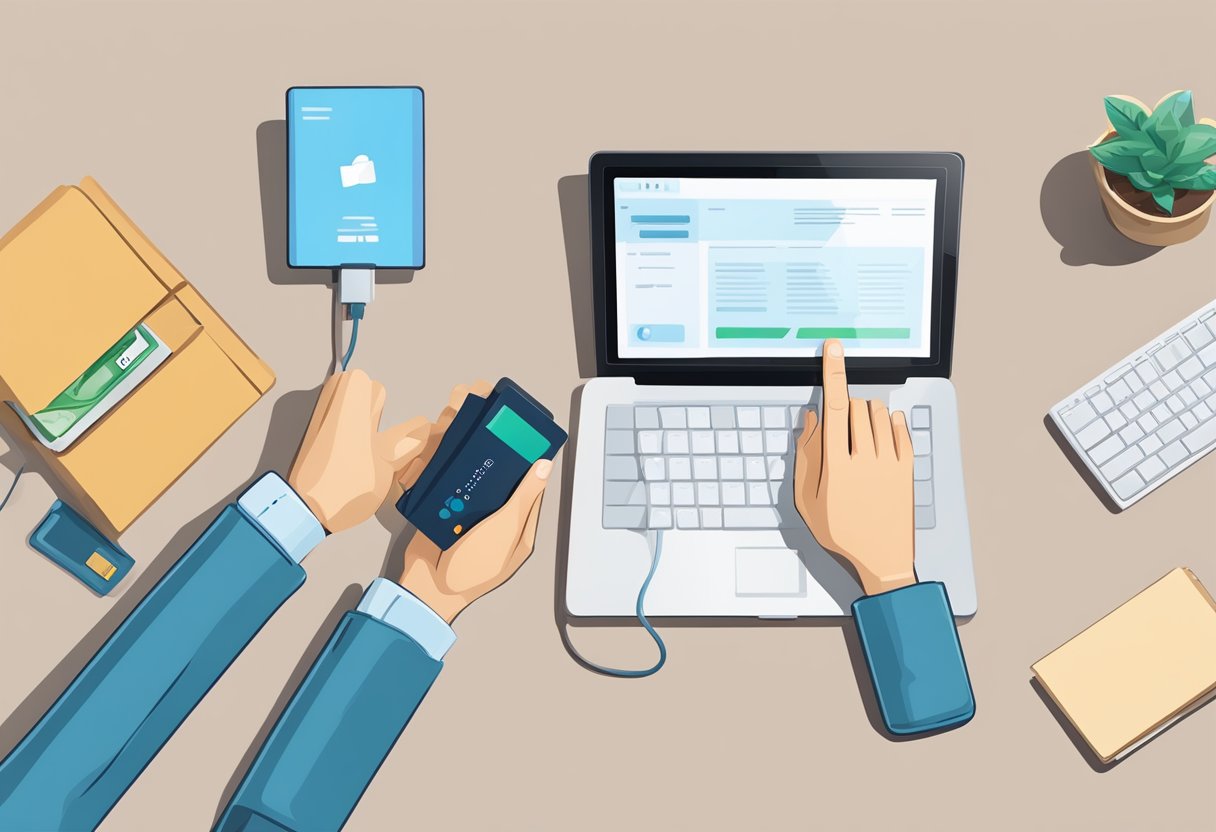
Copying HID cards and fobs involves several steps. It’s essential to use the right tools for successful duplication.
- Obtain the Necessary Equipment
- HID Card Reader/Writer: This device reads and writes the data on HID cards.
- Blank HID Cards/Fobs: Ensure these are compatible with the type being copied.
- Software: Use reliable software for processing the data.
- Read the Existing Card/Fob
- Insert the original HID card into the reader.
- Use the software to scan and retrieve the data stored on the card.
- Save the data file for later use.
- Write to the Blank Card/Fob
- Insert a blank HID card or fob into the reader.
- Load the saved data file into the software.
- Initiate the writing process to transfer the data.
- Verify the Copy
- Test the copied card or fob on the intended access point.
- Ensure it functions as expected, granting access similar to the original.
- Secure the Tools and Data
- Store the copied card securely.
- Keep the reader, writer, and software safe from unauthorized access.
This method allows for effective copying of HID Prox, HID iCLASS, HID iCLASS SE, and HID Indala cards and fobs when done correctly.
HID Global Compatibility and Integration

HID Global products are designed with compatibility and integration in mind, ensuring seamless operation across various systems and devices. Their solutions facilitate interoperability, allowing organizations to enhance security effectively.
Cross-brand Compatibility
HID Global solutions support diverse technologies and protocols, fostering cross-brand compatibility. This adaptability is essential for organizations using various legacy systems.
Key Features:
- Proximity Technologies: HID Prox cards can work with different card readers and access control systems.
- iCLASS and iCLASS SE: These utilize encryption for secure communication and can be integrated with other manufacturers’ devices.
- Indala Systems: Many Indala readers function with both HID and non-HID cards, showcasing the cross-compatibility that users appreciate.
Organizations benefit from streamlined operations without requiring extensive system overhauls, allowing for gradual upgrades and cost efficiency.
Integration with Security Systems
HID Global’s products integrate smoothly with existing security systems, enhancing comprehensive safety measures. The flexibility of these products allows for straightforward upgrades or modifications.
Integration Options:
- API Support: HID provides APIs for developers, making it easier to incorporate functionality into security software.
- Mobile Access Solutions: Users can integrate mobile credentials into their existing security infrastructure, offering convenient access control.
- Central Management Software: HID solutions often work with software platforms, enabling centralized control over user access and system monitoring.
This integration capability is essential for organizations aiming to maximize existing investments in security technology while improving overall efficiency.
