
The use of RFID and NFC technology in copy ICT has transformed how access control and inventory management are conducted. These technologies rely on radio-frequency identification (RFID) and near-field communication (NFC) to improve efficiency and security in various applications. Both RFID and NFC key fobs provide a streamlined solution for authenticating access to devices, buildings, and information systems, making everyday operations easier and more secure.

Businesses are adopting RFID and NFC key fobs for their convenience in tracking assets, managing data, and ensuring safe access. By utilizing these innovative technologies, organizations can enhance their operational workflows while minimizing the potential for human error. This shift not only boosts productivity but also offers users a practical way to secure sensitive information.
As the demand for seamless and secure interactions increases, understanding the practical applications and benefits of such technologies becomes essential. Exploring RFID and NFC in the realm of copy ICT reveals how these tools are shaping the future of personal and professional security.
Overview of RFID and NFC Technology
RFID and NFC technologies are critical in facilitating seamless communication between devices. Both systems utilize radio frequency signals for data transmission, but they operate under different parameters and applications.
Fundamentals of RFID Technology
RFID, or Radio Frequency Identification, uses electromagnetic fields to automatically identify and track tags attached to objects. An RFID system consists of three main components: a reader, an antenna, and a tag. The tag, which contains a Unique Identifier (UID), can be passive or active.
Passive tags derive energy from the reader’s signal, while active tags have their own power source. RFID operates across various frequencies, typically low (125-134 kHz), high (13.56 MHz), and ultra-high (860-960 MHz). This technology is susceptible to electromagnetic interference, which can disrupt communication with the tag.
Principles of NFC Operation
Near Field Communication (NFC) is a subset of RFID technology that allows for short-range communication between devices, typically within a few centimeters. NFC devices can function in two modes: reader/writer mode and peer-to-peer mode.
In reader/writer mode, an NFC-enabled device reads data from tags, similar to RFID. In peer-to-peer mode, two NFC devices can exchange information, making it ideal for mobile payments and secure transactions. NFC operates at a frequency of 13.56 MHz, ensuring high-speed data transfer compared to traditional RFID communications.
Comparing RFID and NFC
While both RFID and NFC share similarities, they serve distinct purposes. RFID is commonly used for inventory management, asset tracking, and supply chain operations. It can read multiple tags simultaneously, enhancing efficiency in large-scale operations.
Conversely, NFC facilitates secure communications and transactions, often employed in contactless payment systems and ticketing. The effective range of NFC is limited to a few centimeters to ensure security. RFID supports longer ranges, depending on the frequency and type of tag. Understanding these differences helps in selecting the appropriate technology for specific applications.
Key Attributes of Copy ICT
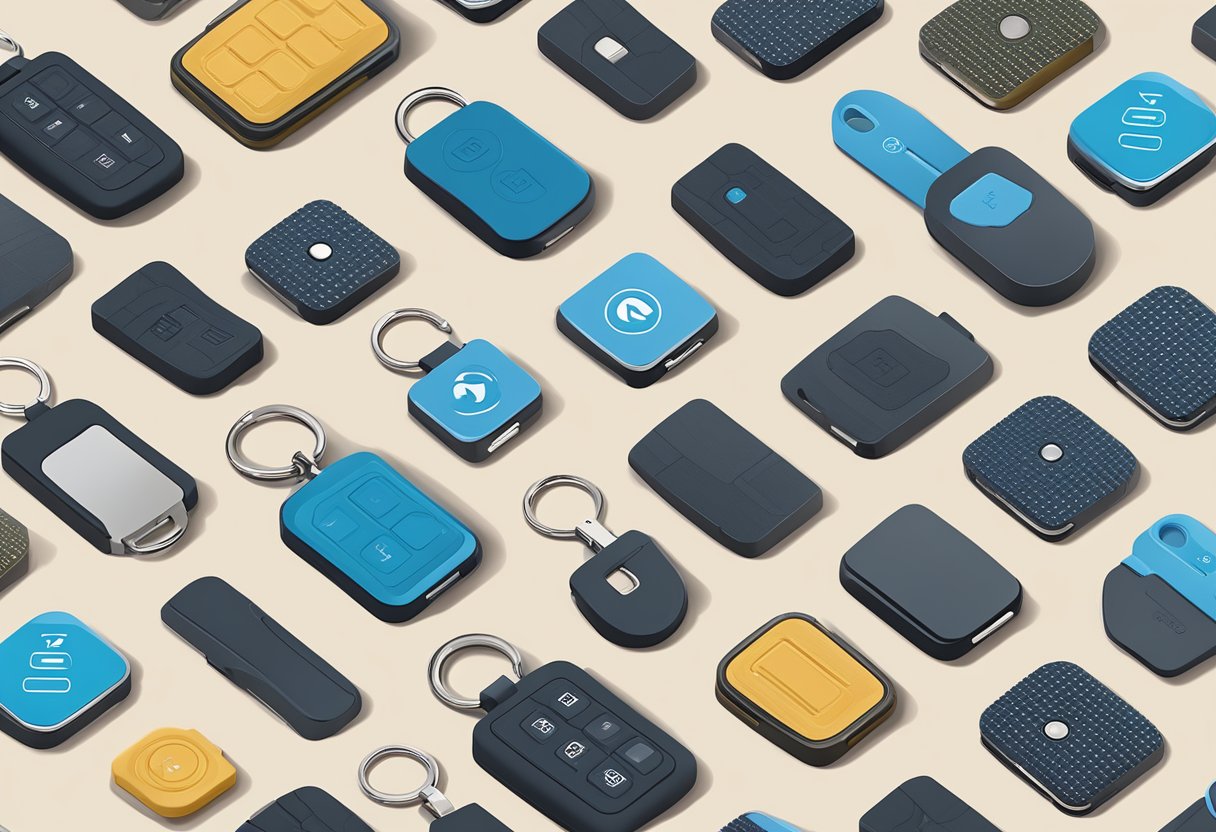
Copy ICT technology primarily revolves around the creation and duplication of RFID and NFC-based key fobs. Its key attributes encompass the process, compatibility, and security features vital for effective use.
Understanding the Copy ICT Process
The Copy ICT process involves scanning the original RFID or NFC key fob and replicating its unique data on a blank key fob. This is typically achieved using specialized cloning devices that read the signals emitted from the original device.
Key steps include:
- Scanning: The original fob is placed near the cloning device.
- Data Extraction: The device copies the fob’s unique identifiers.
- Writing: The data is written onto a new, blank fob.
This system allows for quick duplication, essential for access management in various sectors, including security and inventory control.
Type and Compatibility Considerations
When selecting a Copy ICT system, understanding the type of key fobs and their compatibility is critical. Copy ICT can generally work with various RFID and NFC formats, including 125kHz, 13.56MHz, and certain proprietary systems.
Key considerations for compatibility:
- Format Type: Ensure the cloning device supports the fob’s specific format.
- Brand Limitations: Some manufacturers implement proprietary technologies that may not be easily copied.
- Range of Devices: A reliable cloning device should accommodate multiple fob types to enhance usability.
Compatibility can significantly impact the effectiveness of the Copy ICT process.
Security Features in Copy ICT
Security features are paramount in the Copy ICT ecosystem to mitigate risks like unauthorized duplication. Several layers of security can be integrated into the cloning system.
Key security measures include:
- Encryption: Many advanced key fobs employ encryption, making unauthorized copying more difficult.
- Anti-Cloning Technology: Some fobs incorporate unique identifiers that change with each use, preventing straightforward duplication.
- User Authentication: Systems may require additional user verification before allowing copying to enhance control.
These features ensure that while Copy ICT allows for convenience, it does not compromise overall security.
Practical Applications of RFID and NFC Key Fobs
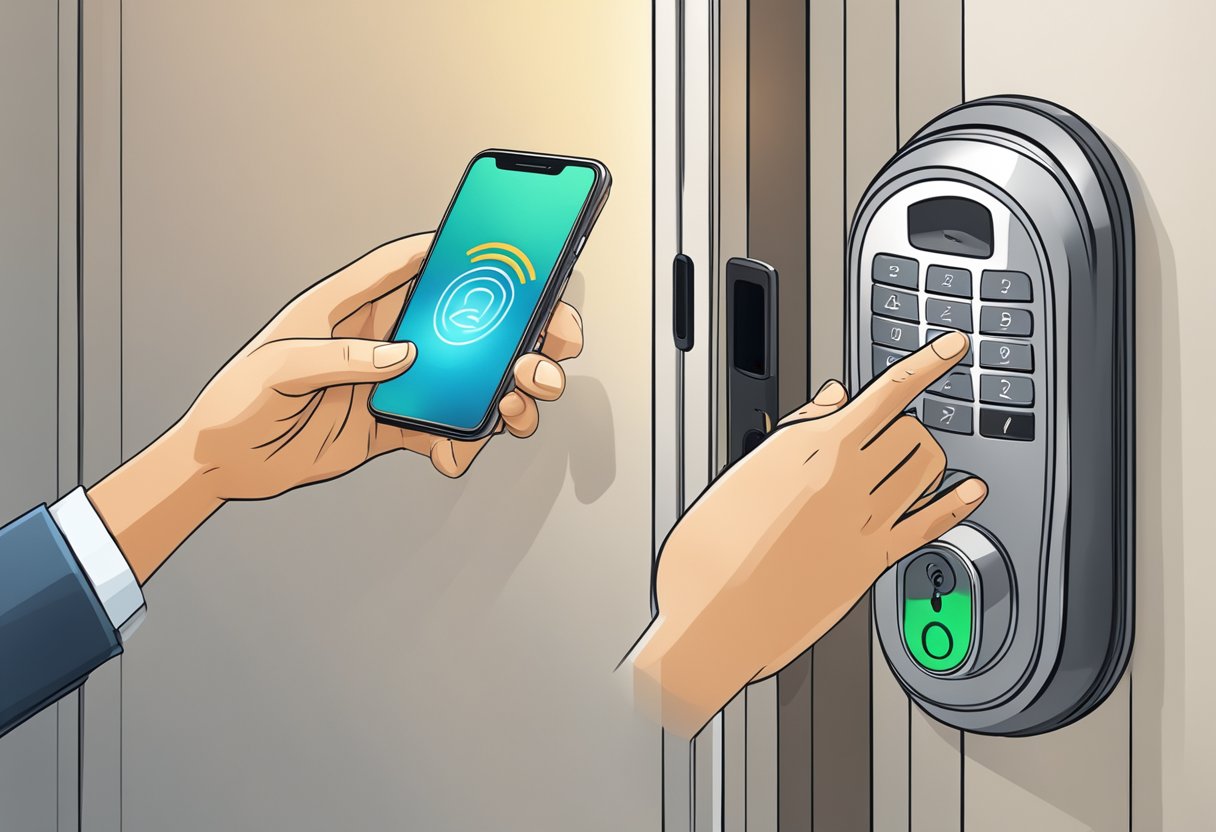
RFID and NFC key fobs serve various practical applications across different industries. Their functionality offers ease of use, scalability, and enhanced performance. Understanding how these technologies integrate into daily life provides insights into their value.
Common Use Cases
- Access Control: Many organizations use RFID and NFC key fobs for security. Employees can gain entry to restricted areas simply by tapping their fob against a reader.
- Public Transportation: Systems like contactless payments for trains and buses utilize NFC technology. Riders can easily tap their key fob to pay fares, enhancing the travel experience.
- Payment Systems: RFID-enabled fobs allow users to make purchases at retail stores and vending machines without needing cash or cards. This reduces transaction time significantly.
- Asset Tracking: Businesses leverage RFID for tracking inventory and assets. Key fobs can ensure proper item management and reduce losses.
Benefits of Copying Key Fobs
Ease of Use: Copying key fobs simplifies access management. Users can quickly duplicate fobs for family members or trusted colleagues, ensuring convenience without needing multiple fobs.
Scalability: Organizations can easily scale operations with copied key fobs. As businesses expand, creating additional copies for new employees or locations is straightforward.
Performance: Copied fobs maintain their performance similar to originals. Users experience the same speed and reliability when accessing systems or making transactions.
Apps for Management: Several applications facilitate the copying and management of key fobs. These apps can store data, track usage, and provide analytics, enhancing user experience.
Security and Data Protection

Security and data protection are vital for systems utilizing RFID and NFC key fobs. Various challenges exist, but implementing effective encryption and protection measures can significantly mitigate risks.
Data Security Challenges
One primary challenge is unauthorized access. RFID and NFC systems can be vulnerable to eavesdropping and replay attacks. When data is transmitted without adequate security, it can be intercepted by malicious actors.
Physical security is another concern. Lost or stolen key fobs can lead to breaches if they are not adequately protected. Without proper safeguards, a single compromised device can grant unauthorized access to secure locations or data.
Additionally, user awareness often falls short. Many users lack knowledge of how to protect their devices, making them easy targets. Regular training on security best practices is essential for mitigating these risks.
Encryption and Protection Measures
Encryption plays a crucial role in protecting data transmitted via RFID and NFC. Strong encryption algorithms, such as AES (Advanced Encryption Standard), can safeguard sensitive information from interception.
Key fobs can include multiple security features. One such feature is mutual authentication, ensuring that both the reader and the fob verify each other’s identities before communication occurs. This reduces the risk of unauthorized access.
Additionally, using rolling codes can enhance security. By changing the code with each use, it makes replay attacks significantly more difficult. Implementing a combination of these encryption methods and security features can provide robust protection against potential threats.
Technical Considerations in Key Fob Duplication
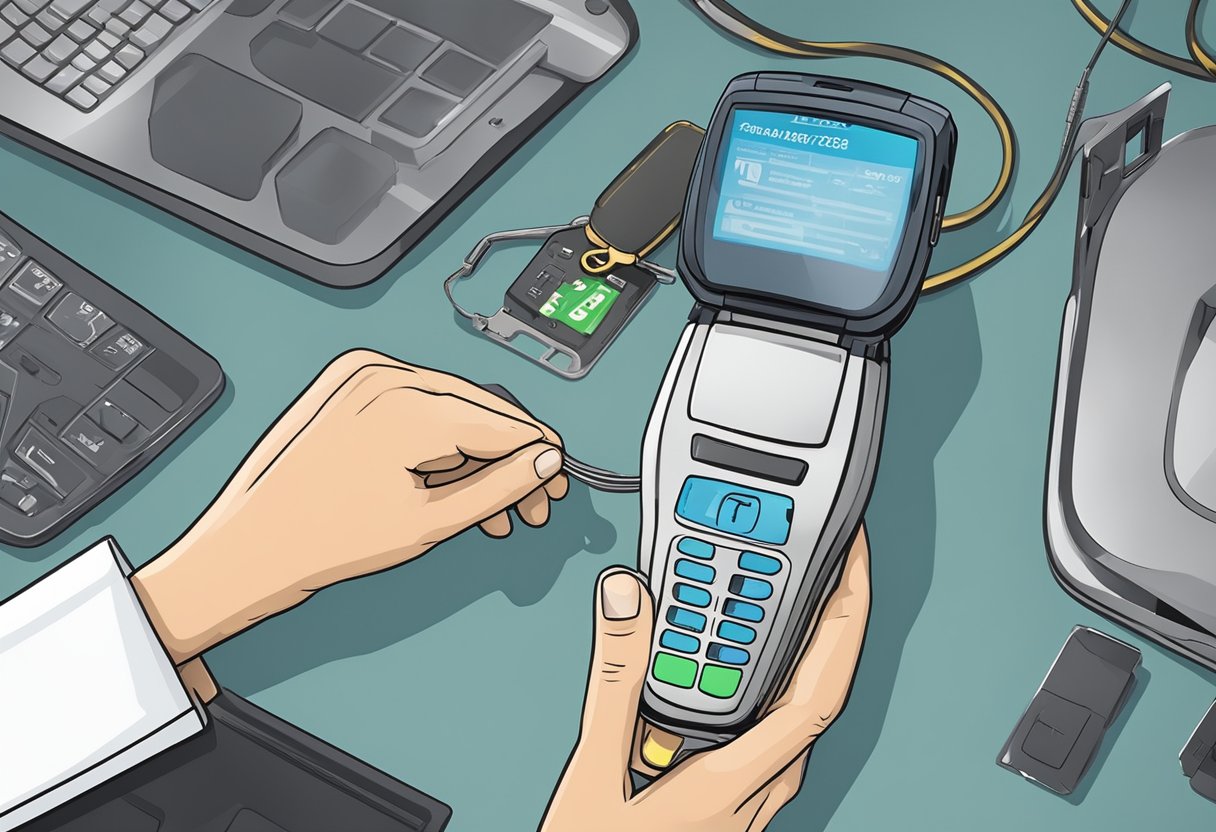
Key fob duplication entails technical factors that affect the reliability and functionality of RFID and NFC systems. These considerations include electromagnetic compatibility, performance metrics, and the scalability of the technologies involved.
Electromagnetic Compatibility
Electromagnetic compatibility (EMC) refers to a key fob’s ability to function without being adversely affected by external electromagnetic interference (EMI). Key fobs must meet specific EMC standards to ensure reliable operation.
Factors influencing compatibility include the design of the antenna and chip manufacturing. Shielding techniques can minimize interference from other electronic devices. Proper testing is crucial; a fob should be tested under various conditions to ensure consistent performance.
Attaining high levels of EMC can lead to fewer failures in system operation, enhancing user experience and improving system security.
Performance Factors
Performance factors in key fob duplication include read range, data transfer speed, and power consumption. The effectiveness of an RFID or NFC system relies on these elements to deliver seamless communication with the reader.
Read range is influenced by factors such as antenna design and environmental conditions. Manufacturers must ensure that key fobs are optimized for the distances typical in their intended applications.
Furthermore, data transfer speed impacts user experience; faster systems allow for quicker access. Power consumption also plays a role in the fob’s operational lifespan, especially for battery-powered devices, necessitating efficient design.
Scalability of RFID/NFC Systems
Scalability addresses a system’s ability to expand without compromising performance or reliability. Key fob duplication requires that RFID and NFC systems can accommodate increased numbers of users without challenges.
A well-designed system should integrate additional fobs easily, maintaining consistent communication and security features. Flexibility in architecture is essential; it enables the incorporation of advanced technologies and standards as they develop.
Establishing scalable solutions often involves considering future demands and ensuring compatibility with existing infrastructure, which can lead to enhanced efficiency and lower long-term costs.
