
Copy KeyScan is a critical solution for managing access control through touch and proximity fobs in various environments. Understanding how to efficiently program and handle these fobs can significantly enhance security and user convenience. Whether for corporate offices, residential buildings, or commercial spaces, the functionality of Copy KeyScan is vital.

Many users find themselves questioning the ease of copying or programming these fobs. Knowledge of the specific procedures and tools required can save time and prevent potential issues. Incorporating advanced technology, Copy KeyScan ensures seamless interaction between users and their access systems.
As organizations continue to prioritize security, mastering the use of Copy KeyScan becomes paramount. Proper implementation can lead to greater control over entry points and improved overall safety. Users looking to optimize their access control systems will benefit from a comprehensive understanding of this essential tool.
Overview of Copy KeyScan Technology
Copy KeyScan technology has progressed significantly, reflecting the growing demands for robust physical security solutions. Its development integrates advanced access control technology, addressing both user convenience and security needs.
Evolution of Access Control Technology
Access control technology has evolved from basic key entry systems to sophisticated smart solutions. Early systems relied on mechanical keys, which posed risks of unauthorized duplication and loss.
The introduction of electronic access control systems greatly enhanced security by utilizing key cards and fobs. These devices incorporate unique identification codes, making unauthorized access more difficult.
Recent advancements have introduced proximity fobs and biometric scanners, further increasing the reliability of security solutions. Copy KeyScan technology allows for seamless replication of existing access credentials, ensuring users maintain secure access without compromising safety.
KeyScan Within Integrated Access Control
KeyScan technology is integral to modern integrated access control systems. It simplifies the management of multiple security solutions by allowing users to manage credentials centrally.
This technology supports various access methods, including RFID, biometric scanning, and mobile access. Its flexibility accommodates diverse security needs across different environments.
KeyScan systems enhance physical security by enabling real-time monitoring and audit trails. Building administrators can track access events and respond swiftly to security breaches, showcasing the system’s efficacy in protecting facilities and assets.
KeyScan System Components and Functionality
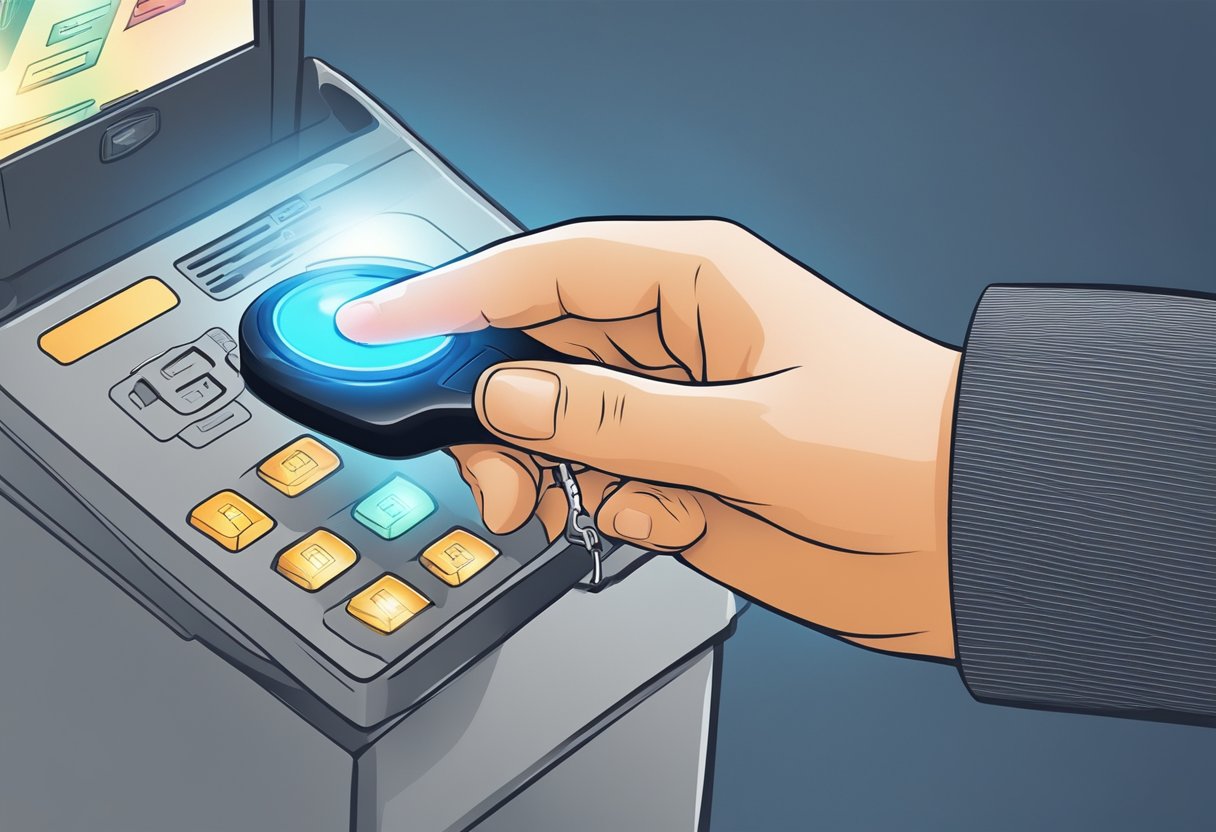
KeyScan systems comprise various components that work together to provide effective access control solutions. Understanding these components allows users to appreciate their interoperability and functionality.
Technical Specifications of KeyScan Devices
KeyScan devices are designed with precise technical specifications to ensure robust security. They typically include:
- Frequency: Operates on industry-standard frequencies, often in the 125 kHz range for RFID.
- Data Transmission: Utilizes encrypted communication to protect data exchanges between devices.
- Power Supply: Many devices have low power consumption, extending battery life for portable fobs.
These specifications ensure that KeyScan systems maintain consistent performance and security across various applications, including commercial and residential environments.
RFID Readers and Their Role in KeyScan Systems
RFID readers serve a pivotal role in KeyScan systems by facilitating identification and access control. These devices:
- Read RFID Tags: Capture data from RFID fobs or access control cards nearby.
- Integration with Software: Connect to a central database for real-time access decisions.
- User-Friendly Design: Often include LED indicators for easy operation and troubleshooting.
The use of RFID technology enhances security by providing unique identifiers for each fob or card while streamlining the access process.
BLE Fobs Compatibility and Benefits
Bluetooth Low Energy (BLE) fobs are increasingly integrated into KeyScan systems, offering several advantages. These fobs:
- Compatibility: Work seamlessly with existing RFID systems, allowing for easy upgrades.
- Energy Efficiency: Designed to consume minimal power, prolonging battery life significantly.
- User Experience: Provide convenient access through smartphones or dedicated fobs, making entry more accessible.
Incorporating BLE technology enhances the flexibility of access control solutions while maintaining high-security standards.
Installation and Configuration
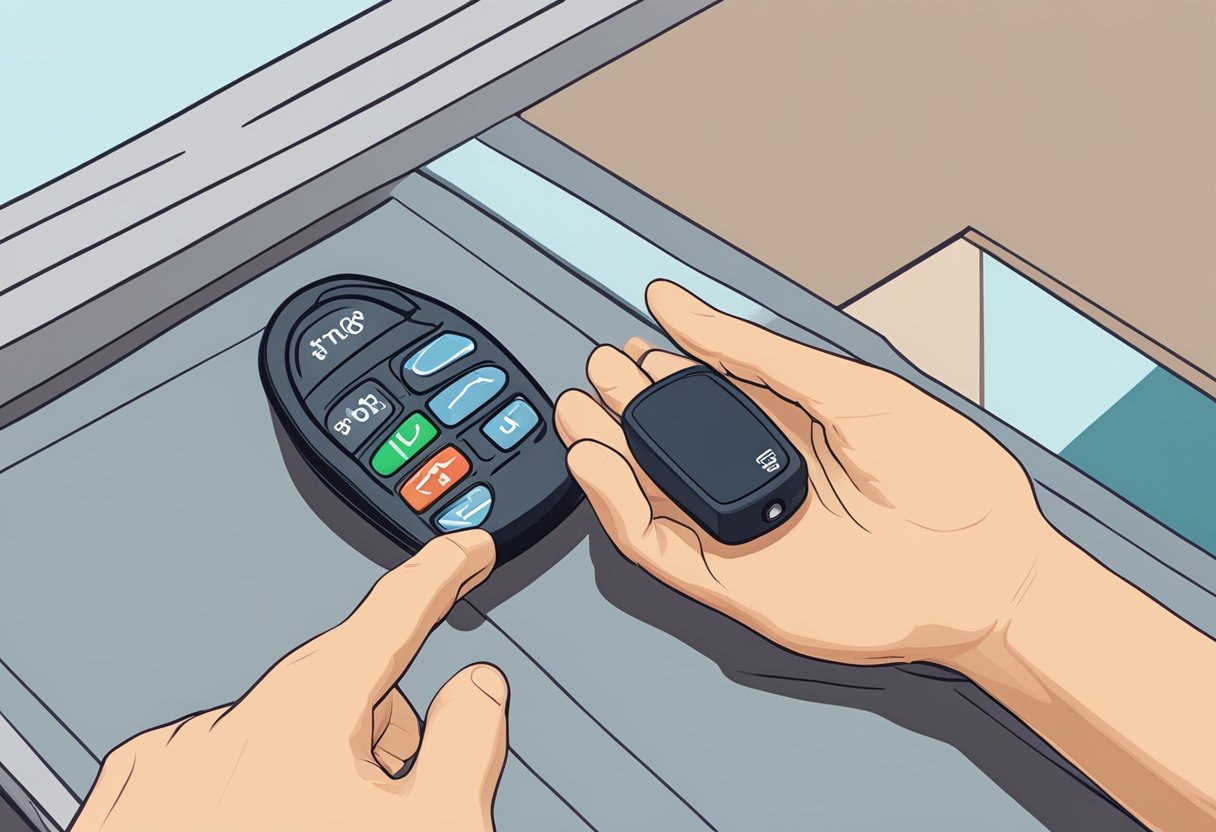
The installation and configuration of Copy KeyScan Touch and Proximity fobs involves several key steps. Attention to detail during these processes ensures seamless integration and effective use in physical access management.
Setting Up Physical Touch & Proximity Fobs
To begin, the touch and proximity fobs should be prepared for use. Each fob needs to be assigned a unique identification code, typically programmed during the initial setup. This code links the fob to the corresponding user within the security system.
Installation requires users to physically place the fob reader at entry points. The placement should ensure optimal reach and functionality. For instance, the fob reader should be positioned at a height accessible to all users yet protected from environmental factors that could hinder performance.
Regular maintenance checks on the readers ensure they are free from obstructions and in proper working order. Failure to maintain the readers can lead to accessibility issues for users, undermining security effectiveness.
Connecting to Existing Security Systems
Integrating the touch and proximity fobs with existing security systems requires careful configuration. Compatibility with the current infrastructure must be confirmed before installation. Most systems support various protocols, but it is essential to verify this beforehand.
Users should follow the manufacturer’s guidelines for configuration, ensuring that all settings align with system specifications. This includes network settings, security parameters, and user management settings.
Testing the connection after setting up is critical. Users should verify that the system properly recognizes the fobs upon presentation. This step helps to identify and resolve any issues early in the process, ensuring a smooth operational experience.
Standards and Best Practices
Adhering to industry standards is crucial for the successful deployment of Copy KeyScan products. Users should reference specific compliance regulations relevant to their geographic location and industry, such as ISO/IEC standards.
Best practices include implementing encryption for data transmitted between fobs and readers. This approach protects against unauthorized access and enhances the overall security framework of the organization.
Documenting the installation process and maintaining clear records of fob assignments can also aid in management. Having an updated register of active devices streamlines maintenance and troubleshooting in the future. Following these standards and practices will strengthen the security posture of the organization.
Security and Privacy Considerations
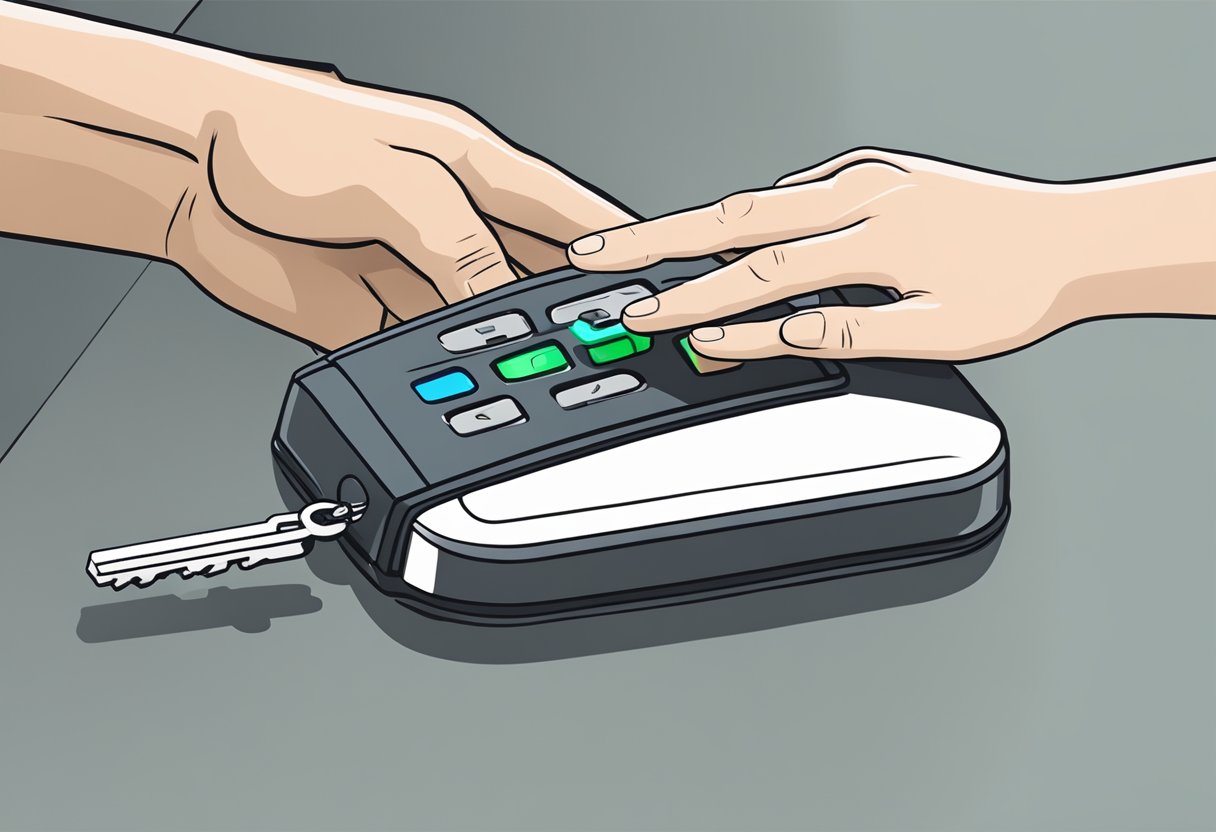
KeyScan technology, particularly in touch and proximity fobs, raises important considerations regarding cybersecurity and data privacy. Users must be aware of the potential risks and the measures in place to mitigate them.
Cybersecurity Measures in KeyScan Technology
KeyScan employs advanced cybersecurity protocols to protect user data. This includes end-to-end encryption, which ensures that data transmitted between fobs and access control systems remains secure.
- Encryption: Data is encrypted using industry-standard algorithms, making unauthorized access extremely difficult.
- Regular Updates: KeyScan continuously updates its software to patch vulnerabilities and enhance security protocols.
- Access Control: Users can customize access levels, ensuring that only authorized individuals can gain entry to sensitive areas.
These measures work together to create a robust security framework that helps safeguard against cyber threats.
Maintaining Privacy and Data Protection
Privacy concerns arise from the storage and handling of user information in KeyScan systems. Effective data protection protocols are essential to maintaining user trust.
- Data Minimization: KeyScan collects only essential information, reducing the risk of exposure.
- User Consent: Users are informed and must provide consent before any data collection.
- Secure Data Storage: Information is stored in secure databases with restricted access.
Regular audits and compliance with privacy regulations strengthen KeyScan’s commitment to data protection. Awareness of these practices helps users feel more confident in their personal safety solutions.
KeyScan’s Role in Modern Security Management
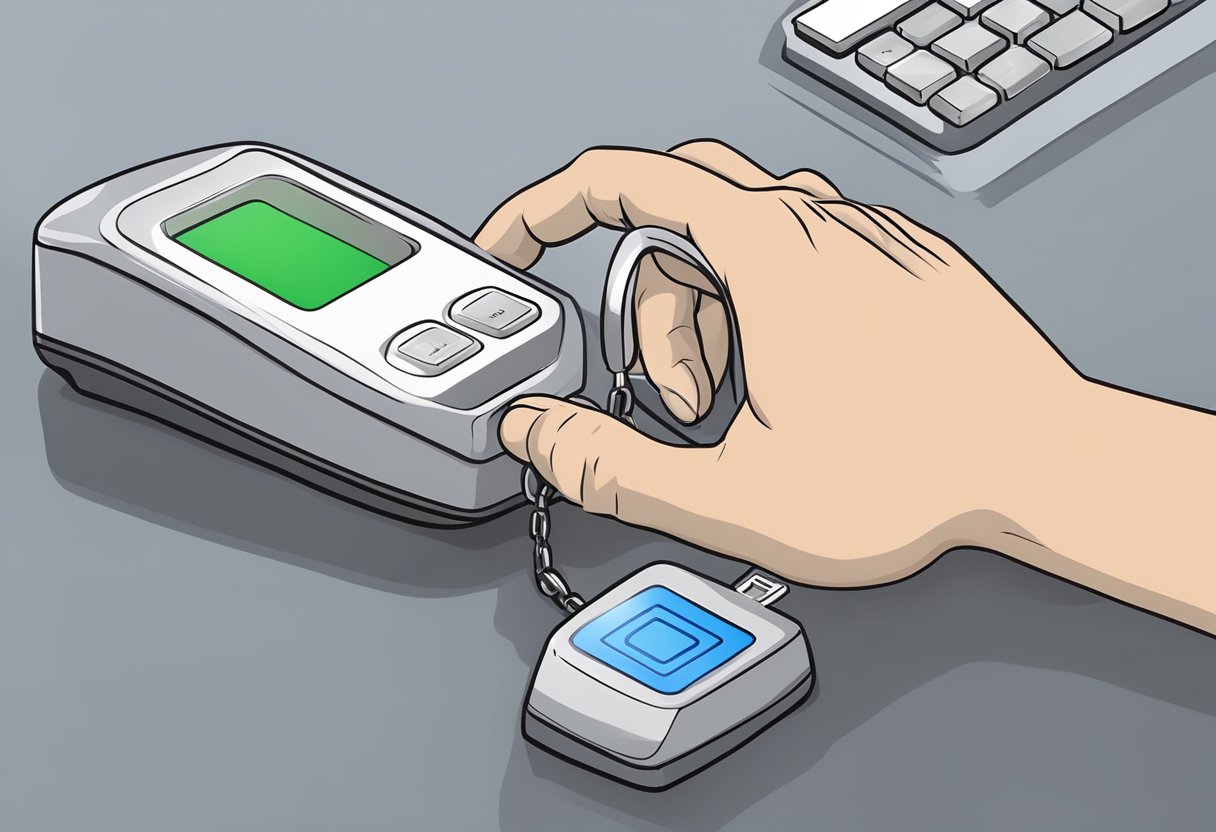
KeyScan plays a significant role in enhancing security management through solutions designed for visitor access and key control. These functionalities contribute to efficient asset management, ensuring that organizations can effectively monitor and protect their properties.
Visitor Access and Management
KeyScan’s visitor access management feature streamlines the process of granting temporary access to guests. It enables organizations to customize access levels, ensuring that visitors enter only the areas necessary for their visit.
KeyScan systems can track visitor entry and exit, providing valuable data for security audits. Notifications can be set up to alert staff of visitor arrivals, enhancing communication. The user-friendly interface simplifies the check-in process, which minimizes bottlenecks at entry points.
Key Control and Asset Management
Key control is critical in securing sensitive areas within an organization. KeyScan facilitates comprehensive key management by allowing administrators to assign, track, and revoke keys easily. This reduces the potential for lost keys and unauthorized access.
With asset management integration, KeyScan monitors the whereabouts of essential equipment and infrastructure. It provides an inventory of assets along with real-time data on their status. This ensures accountability and enhances the organization’s overall security posture through efficient resource tracking.
Emerging Trends in Access Control
The landscape of access control is evolving rapidly, shaped by advancements in technology and the increasing need for security. Key trends include cloud transformation and a focus on enterprise resilience and continuity.
Cloud Transformation and Access Control
Cloud technology is significantly influencing access control systems. By leveraging cloud infrastructure, organizations can enhance data storage, access management, and operational efficiency.
With cloud-based systems, real-time updates are possible. This allows for immediate changes to access permissions without onsite interventions. Furthermore, businesses benefit from centralized management, enabling easier oversight of multiple locations.
Key features of cloud transformation in access control include:
- Scalability: Organizations can easily scale their systems as their needs grow.
- Remote Management: Permissions can be adjusted remotely, boosting operational flexibility.
- Enhanced Collaboration: Integration with other cloud-based applications improves overall security processes.
Enterprise Resilience and Continuity
Enterprise resilience in access control ensures that organizations can maintain security during disruptions. This resilience is critical in a world where cyber threats and physical threats are prevalent.
Implementing robust access control measures contributes to continuity planning. Businesses are adopting multifactor authentication (MFA) and biometric verification to strengthen security.
To further enhance resilience, organizations are prioritizing:
- Regular Assessments: Frequent evaluations of access controls to adapt to emerging threats.
- Employee Training: Educating staff about security protocols to minimize human error.
- Integrated Security Systems: Creating interconnected security solutions streamlines incident responses and improves overall security posture.
These trends reflect an ongoing commitment to maintaining safety and security in complex environments.
Market Adaptation and Future Scope
The integration of Copy KeyScan technology, particularly through Touch and Proximity fobs, signifies significant shifts in both data centre markets and fiber network operations. These adaptations are driven by the need for enhanced security and streamlined access management.
Adaptation in Data Centre Markets
Data centres increasingly adopt Copy KeyScan technology to ensure robust security. The ability to manage access through Touch and Proximity fobs allows operators to authenticate personnel efficiently.
Key benefits include:
- Enhanced Security: Reduced risk of unauthorized access.
- Cost-Effective Management: Decreased costs associated with traditional key systems.
- Scalability: Easy integration with existing access control systems.
As data security regulations tighten, such adaptability positions data centres to meet compliance while maintaining functionality and efficiency.
Influence on Fiber Network Operators
Fiber network operators are leveraging Copy KeyScan technology to streamline operations. This technology enhances the way they manage site access, leading to improved operational efficiency.
Important considerations include:
- Real-Time Access Control: Operators can monitor who accesses sensitive areas instantly.
- Minimized Downtime: Faster authentication processes help reduce time lost during critical maintenance.
- Customization: Operators can tailor access levels for different personnel or contractors.
The influence of this technology supports fiber network operators in maintaining secure, efficient, and compliant environments while adapting to evolving industry standards.
Integrating KeyScan with Surveillance and IoT
Integrating KeyScan systems with surveillance and Internet of Things (IoT) technologies enhances physical security solutions. This integration allows for improved monitoring, access control, and real-time communication among devices.
Convergence with Video Surveillance Systems
Combining KeyScan access control with video surveillance systems creates a comprehensive security framework. This integration enables automatic linking of access events with video footage.
When a user swipes a KeyScan fob, a timestamped video recording can capture the entry. Security personnel can quickly review footage associated with specific access events.
Incorporating programmable alerts can enhance real-time response, notifying security teams when unauthorized access occurs. This synergy increases situational awareness, aiding in swift incident management.
IoT for Enhanced Physical Security
The incorporation of IoT devices with KeyScan systems significantly boosts security capabilities. IoT sensors can monitor environmental factors, such as movement or temperature changes, around access points.
These sensors relay information to KeyScan systems, providing alerts or triggering access restrictions when anomalies occur. Data collected from IoT devices can enhance response strategies through analytics, revealing patterns or vulnerabilities.
Furthermore, integrating IoT expands control: security teams can adjust access permissions remotely and monitor system statuses via mobile applications. This level of connectivity allows organizations to maintain heightened security while ensuring operational efficiency.
Environmental Impact and Energy Efficiency
The integration of technology in key scanning systems significantly influences energy consumption and ecological considerations. Two crucial areas to explore are energy savings through smart technology and the ecological footprint of KeyScan products.
Promoting Energy Savings with Smart Integration
KeyScan’s smart integration capabilities allow for optimized energy use in access control systems. By utilizing advanced technology, these systems can configure settings based on usage patterns.
This includes features such as:
- Automatic power management: Devices can enter low-power modes when inactive.
- Scheduled operation: Enable or disable functionality during non-peak hours to reduce energy usage.
These measures help minimize electricity consumption and reduce operating costs over time, highlighting the importance of innovation in achieving sustainability.
KeyScan’s Ecological Footprint
KeyScan prioritizes the reduction of its ecological footprint through sustainable manufacturing practices. The materials used in KeyScan fobs are often sourced from environmentally responsible suppliers.
Additionally, the durability of these devices leads to longer lifespans, resulting in fewer replacements. This contributes to lower waste generation. KeyScan encourages recycling programs for outdated access control hardware, promoting responsible disposal and material recovery.
By implementing energy-efficient technologies and sustainable practices, KeyScan continues to align its operations with environmental stewardship.
Compatibility and Interoperability
Compatibility and interoperability are essential for ensuring that Copy KeyScan functions seamlessly with various systems. This section explores its compatibility with Mifare standards and other relevant technologies.
Working with Mifare and Other Standards
Copy KeyScan is primarily compatible with Mifare technology, which is widely used in access control systems. Mifare cards are known for their reliability and security.
The system also supports other card formats, enabling users to integrate it into existing setups without extensive modifications. This flexibility allows organizations to utilize their current infrastructure while adopting Copy KeyScan.
Key features include:
- Mifare Classic
- Mifare Ultralight
- Mifare DesFire
This compatibility ensures users can switch to Copy KeyScan with minimal disruption, preserving investment in existing access control technologies.
